


















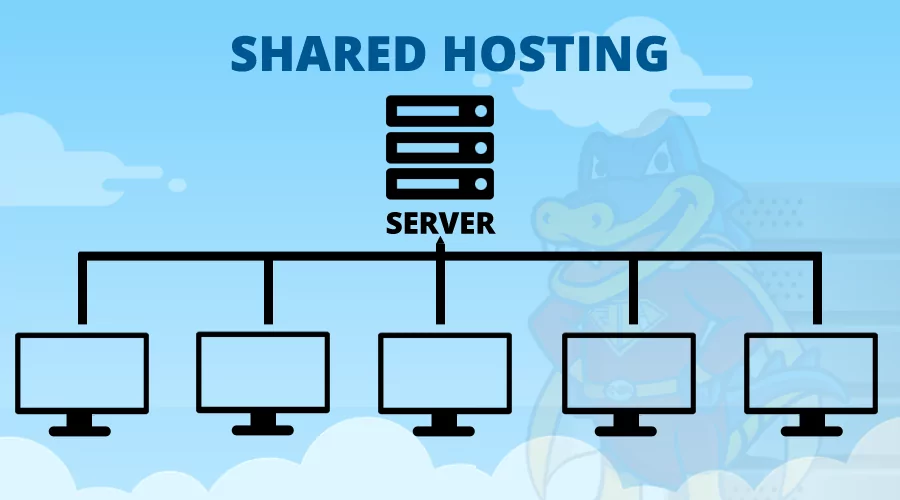
Are you looking for the right web hosting solution for your website? If so, you may have heard ofShared Hosting. It is one of the popular hosting options available on the market today and is suitable for many scenarios — but is it the right fit for your business needs?
In this article, we will take an in-depth look at what shared hosting is and why it may or may not be suitable for you. We will explore the advantages and disadvantages of shared hosting, its suitability for different types of websites, and how to choose the right hosting provider. Additionally, we will provide professional advice to help you select the best shared hosting provider based on various key factors.
Key Takeaways
- Shared hosting refers to a hosting model in which multiple websites are hosted on the same physical server, sharing resources such as CPU computing power, memory, and storage space.
- The maintenance, updates, and security of the shared server are all the responsibility of the hosting service provider.
- Shared hosting is cost-effective, easy to set up and use, and users don't need to invest too much effort in technical maintenance.
- Shared hosting has certain limitations in terms of control, customization, scalability, and security.
- Shared hosting is an ideal choice for small businesses, personal bloggers, non-profit organizations, e-commerce websites, and educational websites.
- When choosing a shared hosting package, you need to pay close attention to the server uptime (normal operating time), reliability, security features, price, expansion options, customer service, and the reputation of the service provider.
Definition of Shared Hosting
Shared hosting is a type of web hosting wheremultiple websites are hosted on the same web serverand share the server's resources. This means resources such as CPU power, memory, and storage space are utilized by different websites collectively.
Shared hosting is a popular choice for new website owners, small businesses, and individual users because it meets web hosting needs at a lower cost. It is also an ideal option for users who do not require extensive server resources or have low website traffic.
However, since multiple websites share the same server resources, there may be situations wherebandwidth usage is limited, potentially leading to website performance issues. Despite these limitations, shared hosting remains widely adopted due to its cost-effectiveness and ease of use.
How Shared Hosting Works
In a shared hosting environment, the hosting provider allocates server space that can be shared among multiple users. Each user is assignedstorage spaceand manages their own resources through a control panel.
At the same time, the hosting providercreates separate accountsfor each customer and allocates resources based on the hosting plan selected by the customer.
All users share the same server's CPU, memory, bandwidth, and other resources. Users can upload their website files to the server viaa control panelOror FTP tools.
When a visitor accesses your website, the server retrieves your website files and loads them into the visitor's browser.
Since multiple websites share the same server and resources, the resource usage of other websites may affect your website's performance and loading speed.
Ensuring the server is updated promptly,remains secure and stable, and runs smoothly to provide a good user experience is the core responsibility of the hosting provider.
Advantages of Using Shared Hosting
Each hosting type has its unique value, and the many advantages of shared hosting make it an excellent choice for individual users and small businesses.
1. Cost-Effectiveness
Cost-effectiveness is one of the most significant advantages of shared hosting.
Since multiple websites share server resources, the maintenance costs of the server are distributed among multiple users, reducing the cost for individual users. This is particularly beneficial for individual users and small businesses with limited budgets.
2. Ease of Use
Shared hosting has a very low barrier to entry, making it highly suitable for website owners with limited technical experience.
Most shared hosting plans come withan easy-to-use control panel, allowing users to manage their websites, install applications, set up email accounts, and perform other common tasks. This means you can efficiently operate your website even without being a technical expert.
3. Minimal Technical Maintenance Required
Shared hosting requires very little technical maintenance. When you purchase a shared hosting plan, the hosting provider is responsible forserver maintenance and security, ensuring your website runs safely and stably.
This means you do not need to worry about technical issues such as server updates, security patches, or data backups — all these tasks are handled entirely by the hosting provider.
4. Scalability
Shared hosting plans are typically scalable, meaning that as your website grows, you canupgrade to a higher-tier plan. This is particularly useful for small businesses expecting gradual growth: you can start with a basic plan and upgrade to a more advanced plan as your website traffic increases.
Most shared hosting providers also offer a variety of hosting plans, making it easy for users to find the one that best suits their needs.
5. Quick and Easy Setup
The setup process for shared hosting plans is simple and fast, helping you quickly build and launch your website.
Most hosting providers offerone-click installationfor popular applications such as WordPress, Joomla, and Drupal. Even without any technical knowledge, you can easily set up your own website.
6. No Server Management Required
With shared hosting, the hosting provider handles all aspects of server setup,maintenance, and management。
. The provider is responsible for server maintenance, software updates, security, data backups, and other related tasks. This means you do not need to invest effort in managing the shared hosting environment and can focus on operating the website itself.
7. Comprehensive Customer Support
Another significant advantage of shared hosting is high-quality customer support. Most reputable hosting providers offer round-the-clock customer support, ensuring you can receive assistance whenever needed.
The support teams of these providers are professionally trained to handle various virtual hosting issues and typically respond within minutes. If you are unfamiliar with technical operations or encounter urgent website problems, this support will help you resolve critical issues promptly.
8. Rich Features and Tool Support
Shared hosting providers offer a range of features and tools to help enhance the stability and functionality of your website.
These tools include website builders, content management systems (CMS), email hosting, and e-commerce integration features. Some hosting providers even offerfree SSL certificatesandSEO toolsto help improve your website's security and visibility in search engines.
9. High Flexibility
Finally, shared hosting provides users with great flexibility. Most shared hosting providers offer various package options based on users' budgets and website requirements.
You can choose suitable storage capacity, bandwidth, and resource configurations from different packages. This means you can start with a basic plan and gradually upgrade as your website grows.
If you wish to change hosting plans or providers, most platforms also offer convenient migration options.
Limitations of Shared Hosting
Despite the significant advantages of shared hosting, every website developer and owner should be aware of its limitations and shortcomings.
This information will help you make the best choice between shared hosting and cloud hosting. Below are the main disadvantages of shared hosting:
1. Limited Resources
Limited resources are one of the most prominent limitations of shared hosting.
All websites on a shared server collectively use the server's storage space, bandwidth, CPU usage, and other resources. During peak traffic periods, this may lead toslower website access speedsOrtemporary website downtime。
To avoid such issues, the key is to choose a shared hosting provider that offers flexible resource allocation solutions or upgrade toVirtual Private Server (VPS) hosting、Cloud HostingOrdedicated server hosting。
when necessary.
Security risks are another potential disadvantage of shared hosting. Since multiple websites share the same physical server, if one of them has a security vulnerability, it could affect the other websites.
This will put your website at risk.This could expose your website to security threats such ashacking, phishing scams, malware intrusions
To mitigate these risks, you need to choose a shared hosting provider that offerscomprehensive security features(such as firewalls, malware scanning, SSL certificates). Additionally, ensure timely updates to website software and plugins, set strong passwords, and improve user authentication mechanisms.
To learn more about website security components, refer to: Security Component Analysis.
3. Limited Control
Shared hosting also has limitations in terms of control over server configuration and settings.
Since the server is shared among multiple users, providers must implementglobal settings and policiesto ensure server security and stability. This may restrict your control over specific configurations, such as PHP versions, server modules, etc.
Sometimes, such restrictions may cause your website software tocompatibility issuemalfunction or prevent the normal use of certain features.
4. Low Customization
In addition to limited control, shared hosting offers relatively few customization options.
Since server resources are shared among multiple users, providers must restrict the installation of custom software, scripts, or modules that could affect other websites.
As a result, you may face limitations incustomizing website functionalityFor example, you may not be able to install third-party plugins or run custom code.
To address this issue, you need to understand the hosting provider'scustomization policiesin advance and choose a platform that allows a certain degree of customization.
5. Scalability Bottlenecks
Finally, shared hosting may have scalability bottlenecks, which could affect website performance during peak traffic periods.
Due to resource sharing, providers limit the number of simultaneous visitors, file requests, or database queries to maintain server stability and prevent overload. This may lead toslower website speedsOrtemporary website downtimeduring peak periods.
To avoid such issues, you may consider upgrading to VPS or dedicated servers or choose a shared hosting provider that offersflexible scaling optionsWho Is Shared Hosting Suitable For?
Who is the target audience for shared hosting services?
Below are examples of businesses and website types best suited for shared hosting:
Small Businesses
Small businesses
Additionally, small businesses typically do not require high website traffic, and the resources of a shared server are sufficient to support their operations.
For example, if you run a retail store and your website only needs simple features like contact forms and product catalogs, shared hosting is a suitable option.
Other businesses suitable for shared hosting include physical stores, freelancers, and professional service providers such as lawyers and accountants.
Other businesses that are suitable for using shared hosting include physical stores, freelancers, and professional service providers such as lawyers and accountants.
Personal Bloggers
If you are a blogger seeking a cost-effective hosting solution, shared hosting is an excellent choice. Personal blogs typically have low traffic demands, which shared hosting can fully accommodate.
Additionally, shared hosting plans usually come equipped withuser-friendly website buildersand pre-installed content management systems like WordPress, as well as access to website building tools such as Weebly and Wix.
These features enable personal bloggers, even those without programming experience, to easily set up their own blog websites.
Non-Profit Organizations
Non-profit organizations often operate on limited budgets, making affordable shared hosting an ideal option.
The features provided by shared hosting can enhance the functionality of non-profit organization websites, such asfreeSSL certificates. Furthermore, shared hosting offers unlimited storage space, bandwidth, and easy-to-use email accounts and database management tools.
For non-profit organizations, choosing shared hosting provides the necessary support for website management without incurring excessive costs.
E-commerce website
E-commerce websites with moderate or low traffic can operate effectively using shared hosting. Shared hosting provides SSL certificates forsecure transactions, easy-to-useshopping cart software, and seamless integration with payment gateways like PayPal and Alipay.Payment Gateway。
Shared hosting plans support scalability, allowing businesses to start with a basic plan and upgrade as they grow. For startup e-commerce businesses, shared hosting offers rich features at a lower cost, representing a highly cost-effective choice.
Educational Websites
Shared hosting is also suitable for educational websites such as school or college blogs, wikis, and student portals.
Shared hosting comes pre-installed with content management systems like Joomla and WordPress, making it convenient for users to create and manage website content. Its pricing is generally affordable, making it highly attractive for schools and universities needing to control costs.
Moreover, theemail functionalityincluded in shared hosting plans can facilitate communication between students and teachers.
Professional Advice: How to Choose the Right Shared Hosting Provider?
Selecting the appropriate hosting provider is crucial for a website's success. With numerous options available in the market, making an informed decision is not easy.
The following are key factors to consider when choosing a website hosting provider:
1. Server Uptime and Reliability
Regardless of the type of web hosting service chosen, server uptime guarantees and reliability records are critical considerations.
Uptime refers to the uninterrupted operation time of a website. Clearly, the higher the uptime, the better. A quality hosting provider shouldguarantee at least 99.9% uptime.。
To confirm uptime guarantees, you can check the relevant information on the hosting provider's official website. Additionally, reading user reviews and industry awards can provide insights into the provider's reliability record.
2. Support Services and Customer Service Quality
Support services and customer service quality are also important considerations when selecting a hosting service.
During website operation, you may encounter technical issues requiring professional assistance. Therefore, choose a provider that offershigh-quality customer support,such as 24/7 phone support, live chat support, email support, or ticket support.
You can assess the provider's service quality by examining response times, types of support offered, and user feedback.
3. Security Features
Website security is paramount; you certainly do not want your website to be hacked or compromised by cybercrime. Therefore, choose a hosting provider that offersadvanced security features,such as SSL certificates, firewalls, malware scanning, DDoS protection, and data backup services.
SSL certificates protect website information by encrypting data; firewalls block malicious traffic; malware scanning detects and prevents malware intrusions.
Choosing a hosting provider with these security features allows you to operate your website with peace of mind, free from security concerns.
4. Scalability Options
Your website traffic may experience sudden growth, at which point you might need to upgrade to a VPS or dedicated server. Therefore, choose a hosting provider that offers scalability options, such as support for hosting plan upgrades.
Ideally, the upgrade process should involvezero downtimeand no resource overages or additional charges. When selecting a provider, ensure they offer flexible hosting plans to accommodate your website's traffic growth.
5. Price and Cost-Effectiveness
Price and cost-effectiveness are important factors when choosing a shared hosting plan. Carefully evaluate the pricing structure to ensure you get value for your money.
Look for providers offering discounts or promotions, such asfree domain registration, free data backups,Orand money-back guarantees.Additionally, compare the pricing structures of different hosting providers to secure the best deal.
6. User-Friendly Control Panel
An easy-to-use control panel is essential for efficient website management. The control panel is the interface through which you manage your website, so it needs to be user-friendly, functional, and customizable.
When choosing, evaluate the control panel's features, such as ease of use, comprehensiveness of functions, and customization capabilities.
Furthermore, the control panel should provide a variety of website management tools, such as website builders, database management tools, email management tools, file management tools, and website statistics tools.
7. Reputation and User Reviews
The hosting provider's reputation is a crucial factor that cannot be overlooked.
Before selecting a provider, be sure to checkuser feedback and online reviews.This will help you understand the provider's service quality and the user experience you can expect.
Meanwhile, you can pay attention to whether the service provider has received industry awards—this is an important indicator of their outstanding performance in the hosting industry.
summarize
We have answered the core question: What is shared hosting? Shared hosting refers to a hosting solution where multiple websites share the storage space of the same server.
Many web hosting providers offer shared hosting plans because it is an ideal choice for users seeking high cost-effectiveness and security.
If you wish to build an online platform on a limited budget, you can choose a suitable shared hosting plan from our recommended list of the best shared hosting providers.
Next Steps: What should you do next?
- You can select shared hosting for your website from our recommended shared hosting providers.
- If you prefer VPS hosting, you can choose from our recommended VPS hosting providers.
- You can also select a dedicated server from our recommended dedicated server providers.
- To understand the differences between VPS and shared hosting, you can read:VPS vs. Shared Hosting。
- To understand the differences between shared hosting and dedicated servers, you can read:Shared Hosting vs. Dedicated Server。
common problems
What is the difference between shared hosting and a dedicated server?
Shared hosting involves multiple websites being hosted on the same server, with all websites sharing resources such as CPU, memory, storage space, and the server environment.
A dedicated server refers to a single website exclusively occupying one server, with all the server's resources dedicated solely to that website. The core difference between the two lies in the amount of resources you occupy and the level of control you have over the server environment.
2 Can custom applications be installed on shared hosting?
Applications can be installed on shared hosting, but there are certain limitations. Since shared hosting users do not have access to the root account, some applications may not be installable. However, most shared hosting providers' control panels support one-click installation of popular applications such as WordPress and Magento.
Can a shared hosting plan be upgraded to a higher-tier service?
Yes. If your website traffic grows or you require more resources, you can upgrade your shared hosting plan to VPS or dedicated server hosting. Most hosting providers offer convenient upgrade services without the need to migrate your website to a new server.
Can multiple websites be hosted on shared hosting?
Yes. Most shared hosting plans allow hosting multiple websites under one account. However, before signing up, you should confirm whether the selected plan provides sufficient resources to support the operation of multiple websites.
How to migrate from shared hosting to other hosting solutions?
The migration process depends on the type of hosting you are migrating to. For example, migrating to VPS requires certain technical knowledge, such as server management and software installation. However, most hosting providers offer free migration services and can assist you throughout the entire migration process.




 English